
2 Reasons Why Fund Managers Are Buying More Calls Than Ever Before
There are two main forces driving the call-buying surge

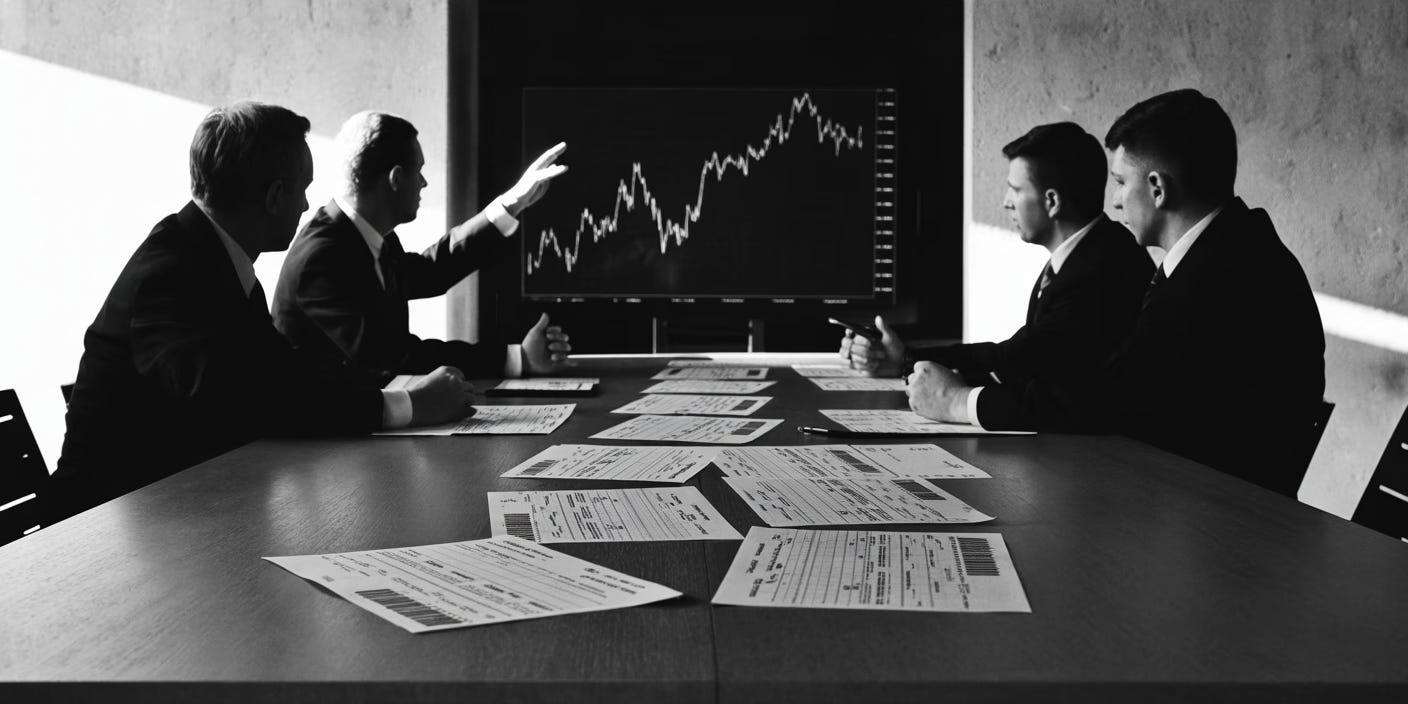
The market is flashing late-cycle warning signs, valuations are stretched, trades are crowded, price action looks more like a melt-up than a stable trend.
Hedge funds know it. Institutional allocators know it. Anyone paying attention knows it.
And yet money managers are still leaning bullish, but they’re not buying stocks.
Instead, they’re buying call options.
Why call options? Because even though markets feel risky, the career risk of missing the upside is even greater.
Below are the two main forces driving the call-buying surge.
1. Markets Feel Fragile, So Managers Want to Cap Their Downside
Fund managers are not blind to the risks right now. They see extended valuations, geopolitical uncertainty, and volatility that appears artificially compressed. In other words, the downside risk is real.
But they cannot simply sit out because benchmarks continue to grind higher.
Buying calls solves this dilemma.
Calls give managers controlled participation in the upside while strictly limiting their maximum loss to the premium they pay. Instead of buying expensive stocks near potential tops, they spend a defined amount to maintain exposure without blowing up if the market reverses sharply.
For a fund manager who is concerned about sudden reversals or bubble-like conditions, it is the cleanest way to remain exposed without taking on catastrophic risk.
2. They Believe We Are in a Bubble, But They Cannot Risk Their Careers By Missing the Upside
Many managers quietly believe the market is behaving like a bubble, but bubbles punish two types of people:
Those who buy too late
Those who refuse to buy at all
Career risk is real. Managers who miss massive upside runs can get fired.
Calls give them a way to stay involved without large risk.
The Result Is a Market Supported by Reluctant Bulls
This creates a strange environment. Everyone is nervous, but nobody wants to step aside. Managers are buying calls not because they believe markets are healthy. They fear missing the final leg of the upside.
The market is being lifted by participants who do not fully believe in the rally but cannot afford to be left behind.