
What Hunting Teaches About Trading

Preparation
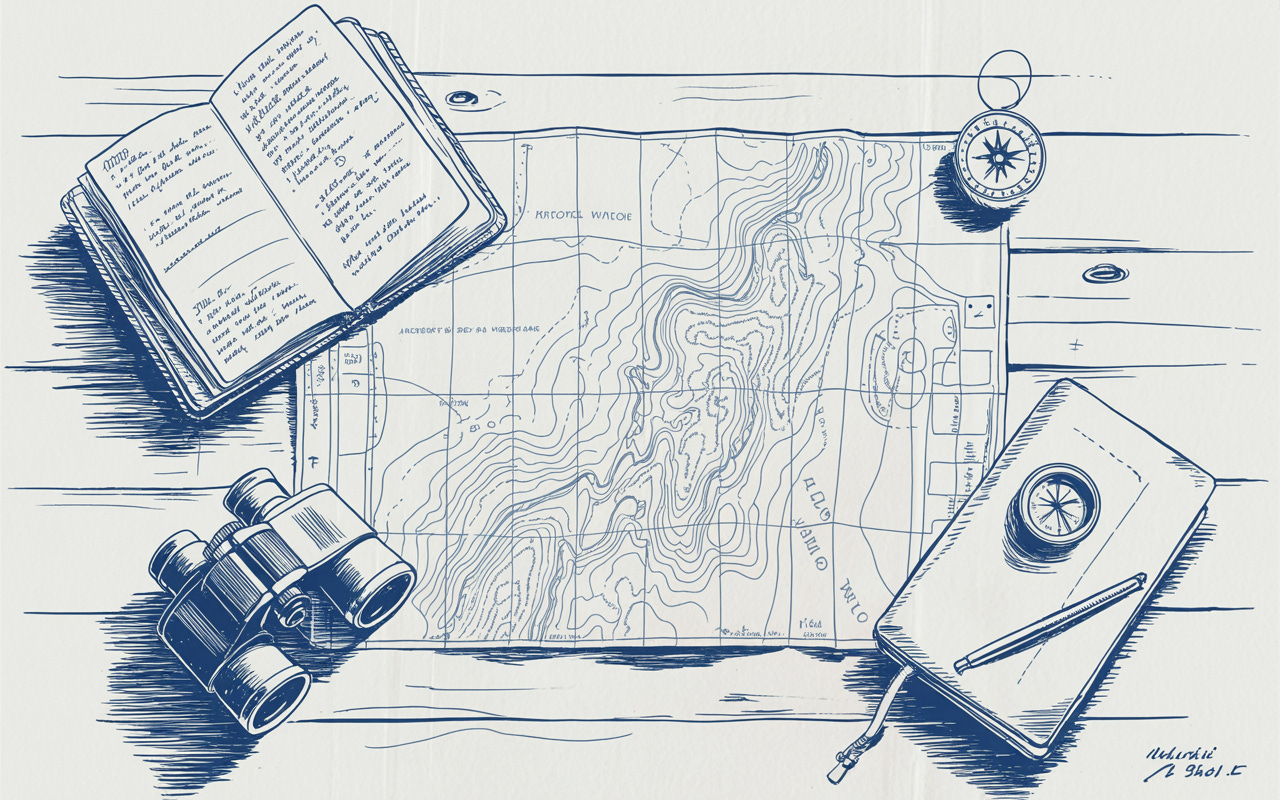
A hunter doesn’t walk into the woods blind. They study the land, learn animal patterns, check weather conditions, and identify the best positions days or even weeks before the hunt. A trader does the same thing with charts, economic calendars, and volatility cycles. The work happens long before the trigger is pulled.
One Shot Discipline
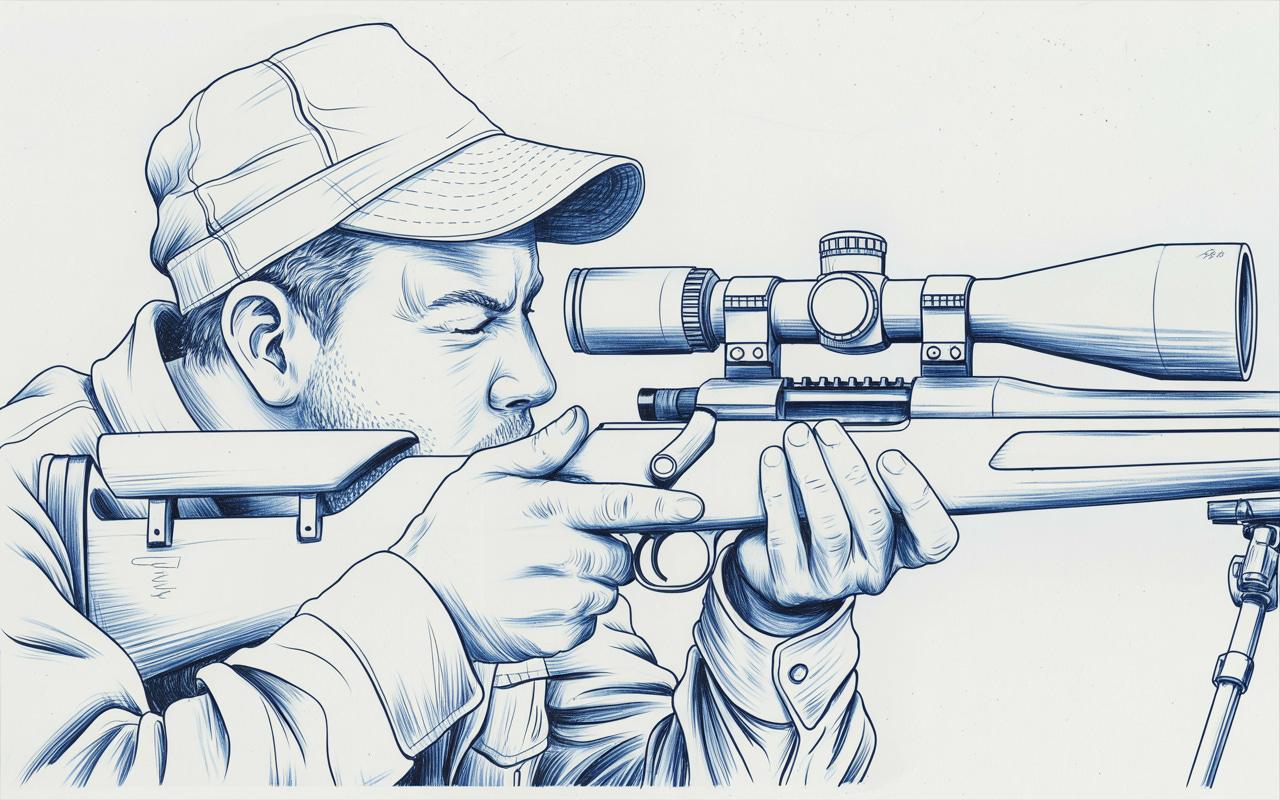
A skilled hunter knows they may only get one clean shot in an entire day. They don’t waste it on a target that’s partially obscured or at the edge of range. A professional trader treats capital the same way. They don’t force entries on B or C grade setups just because they showed up to the screen that morning.
Seasonal Awareness
Hunters don’t hunt year round. There are seasons, and they respect them. Markets have seasons too. Volatility expands and contracts. Certain strategies work in certain regimes and fall apart in others. A professional trader knows when their season is and doesn’t force activity during the off months.
Falling for Decoys
Inexperienced hunters get fooled by decoys or by movement that looks like prey but isn’t. In trading, these are the false breakouts, the headline driven spikes, the setups that look perfect on the surface but fall apart under scrutiny. The professional waits for confirmation. The amateur shoots first.
Respect for the Environment
A hunter who doesn’t respect the terrain gets lost, injured, or comes home with nothing. A trader who doesn’t respect the market, who ignores risk management, who sizes positions based on conviction instead of probability, gets the same result. The market, like the wilderness, does not care about your plan.
The 3 Stages of a Trader’s Evolution
The Curious Hunter. This is the casual phase. Demo accounts. YouTube tutorials. Maybe a few small trades placed more out of curiosity than conviction. There’s no real skin in the game and no real commitment. Most people who “try trading” live here and eventually move on to something else.
The Trigger Happy Hunter. This is where the majority of serious retail traders get stuck, often for years. They have tools. They have a strategy, maybe several. They've done real studying. But they cannot sit still. If they took a bad trade, they took a bad shot. If they couldn't wait for the setup, they spooked the prey. The core problem is they simply cannot endure the emptiness of waiting. Over-trading looks exactly like what it is: an amateur hunter who can’t sit still, fires at every rustle in the bushes, and goes home empty-handed wondering what went wrong.
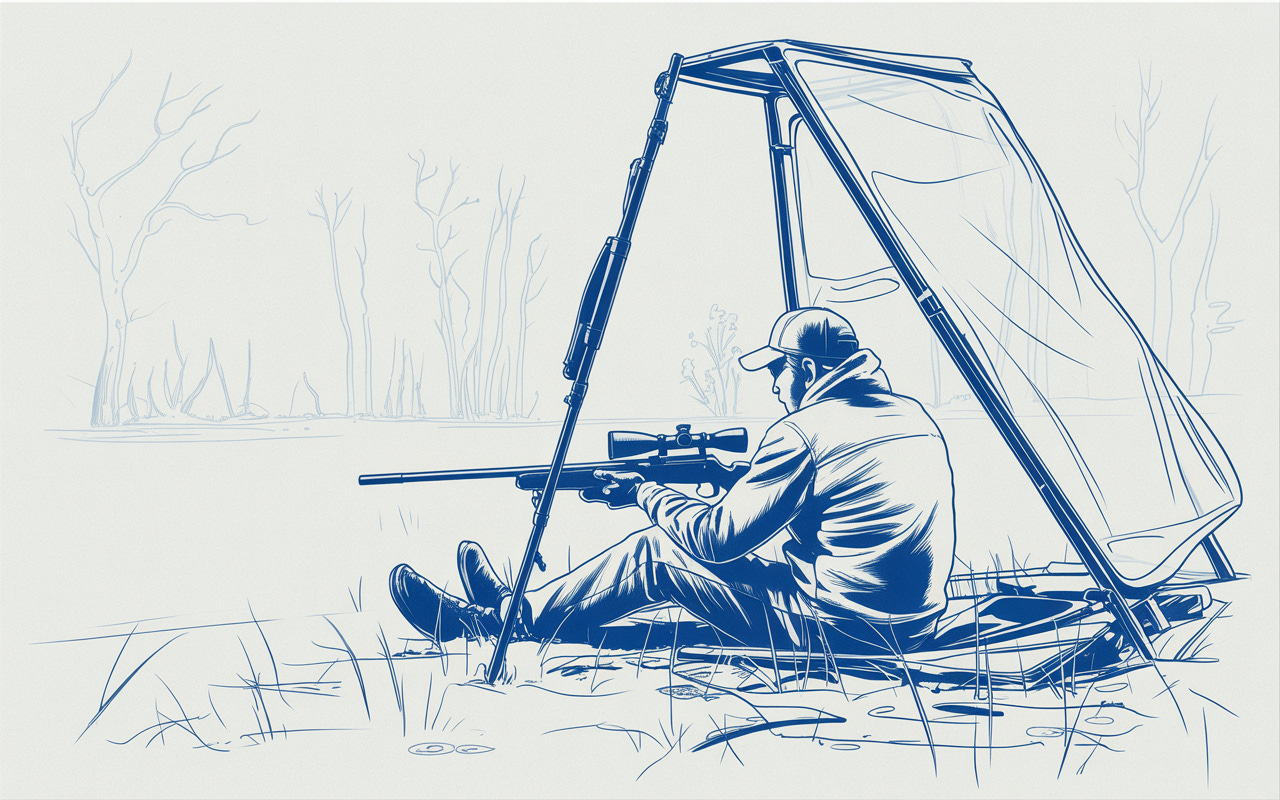
The Professional Hunter. This is the turning point, and it looks nothing like what most people expect. The professional has mastered the art of inaction. They scout market conditions the way a hunter reads wind and terrain. They might sit at their screens for an entire session and take zero trades. In a given month, they may execute fifteen times or fewer. It’s boring. It’s monotonous. And it’s consistently profitable, because every shot is taken from a position of patience and preparation.