
Why the Best Breakouts Come After Multiple Failed Attempts

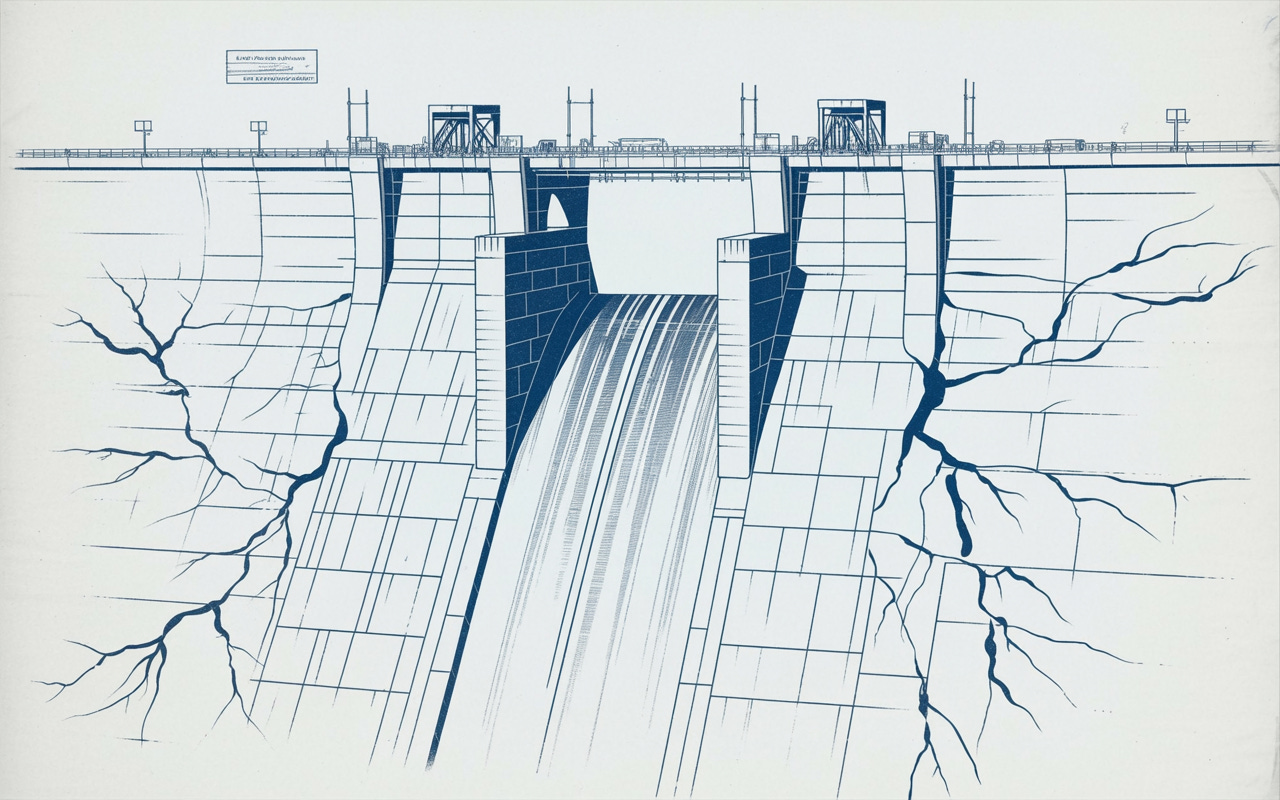
When price repeatedly tests a resistance level, each test is actually weakening that ceiling, and understanding this dynamic can give you a real edge in timing breakout entries.
Think of resistance like a wall. The first time price slams into it, the wall holds firm. The second time, cracks start to form. By the third test, the wall is ready to crumble. Here’s why that happens:
Sellers get exhausted. Every time price reaches resistance, sellers step in. But each test absorbs more of that selling pressure. Eventually, there simply aren’t enough sellers left to hold the line.
Buyers gain confidence. Repeated tests signal persistent demand. Buyers see price coming back to the same level again and again and interpret it as strength, not weakness. That growing conviction translates into more aggressive buying on the next push.
Stop losses cluster above resistance. Each failed breakout adds more short positions with stops placed just above the resistance level. When price finally punches through, those stops trigger a cascade of buy orders that fuels the move higher.
This is why breakouts after three or more tests of resistance tend to produce the most explosive moves. The energy has been building with each attempt, and when the dam finally breaks, all of that pent up pressure releases at once.
The practical takeaway: don’t get discouraged when price gets rejected at resistance for the second or third time. Instead, watch for signs that selling pressure is fading with each test (smaller pullbacks, higher lows forming, increasing volume on the approach). That pattern often sets the stage for a powerful breakout that carries price well beyond the old resistance level.